Laboratory Sustainability in a Single-Use World
Modern scientific research relies heavily on single-use plastic consumables to ensure safety, sterility, reproducibility, and regulatory compliance.
Laboratory plastic waste threatens our environment and the future.
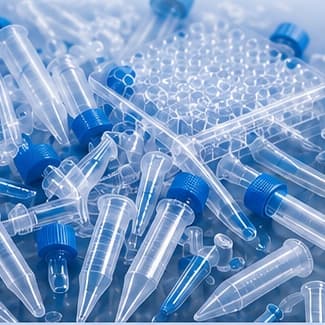
LAB PLASTIC WASTE
Single-use plastics used every day in laboratories.
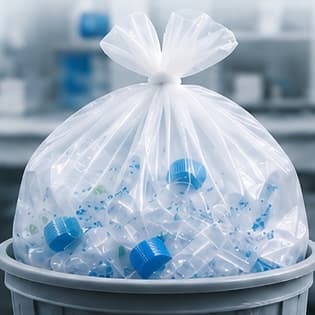
LINEAR DISPOSAL
Most lab plastics are discarded after a single use.
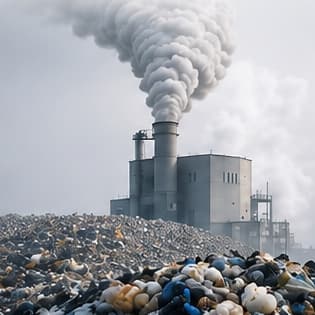
HARMFUL IMPACT
Incineration and improper disposal lead to pollution and resource loss.

LOST OPPORTUNITY
Valuable resources are wasted instead of being recycled and reused.

An Overlooked Environmental Challenge
While sustainability initiatives have expanded across many industries, laboratory plastics remain a difficult waste stream to manage.
Limited Recycling Pathways
Many research organisations are actively working to reduce their environmental impact, yet practical recycling pathways for laboratory plastics remain limited.
Incineration & Disposal
As a result, large volumes of laboratory plastics are commonly directed towards disposal routes, including incineration.
Balancing Excellence & Impact
This presents a challenge for organisations seeking to balance scientific excellence with environmental responsibility.
Growing Sustainability Expectations
Universities, research institutes, biotechnology companies, and pharmaceutical organisations are increasingly expected to demonstrate their commitment to sustainability.
Many organisations are now focused on:
Why Laboratory Plastics Are Different
Laboratory environments present unique challenges compared with conventional recycling streams.
Scientific materials must meet strict requirements for:
As a result, laboratory plastics are frequently treated differently from typical commercial plastic waste. This complexity can make it difficult to identify suitable recovery and recycling pathways.